A ministry of African Leadership Partners, Inc.
Swaziland currently has the world’s highest rates of adult HIV infection. The productive generation is impacted most severely, with the projection of thousands of children becoming orphaned and destitute in the next ten years. The current estimate of orphans across the nation is expected to reach 120,000 by 2010.
Communities are faced with the overwhelming problem of caring for these children. Several organizations are servicing child-headed households and supplementing extended families that are caring for additional children.
However, there are an increasing number of children who are too young to care for themselves, have no homestead rights, or have no extended family willing or able to provide for them. Mr. Alan Brody, country director for UNICEF, recently projected this number will reach more than 10,000 within the next six to seven years.
There is an urgent need to rescue, protect, and empower these children!
Purpose: To provide a permanent, loving, stable home in a Christian environment for those children who are orphaned or abandoned, and have no other alternative for care.
Goal: To develop well-adjusted, self-reliant young people who are properly adapted to their culture, ready and eager to join the community as responsible adults.
Procedure: Children must be referred by Ministry of Health and Social Welfare personnel. Young children with relatives unable to care for them — as determined by Child Welfare personnel — will be given our consideration and help as we are able.
Strategy:Structure and Philosophy: Children are placed in a family setting, with no more than 8 – 10 children, with their Swazi parents. The parents will be married couples or a single mother who are free to give themselves to these children as parents in every sense of the word. They will live in a single-family home that is developed for this purpose.
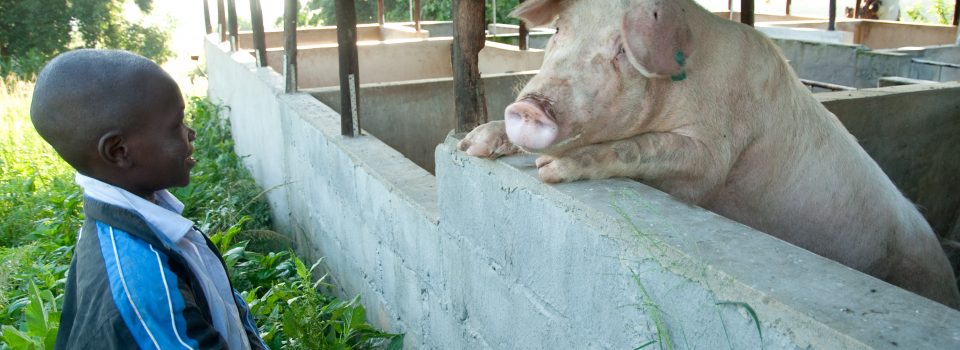
Each family will operate as independently as possible. They must function as any other family in their culture, doing all they can to provide for themselves. Seeking to achieve self-reliance in food security, they will be expected to cultivate their properties, maximizing income-generating opportunities (e.g., vegetable gardens, small animals, etc.). Excess produce may be sold to supplement the household budget. Other income-generating projects will be explored.
Home parents receive training and support on a weekly basis. Relevant practical, spiritual, and counseling issues are addressed in these half-day sessions.
HIV+ children are, to the extent possible, integrated in the family and cared for by the mother/parents who receive basic training for the purpose.
These new homesteads will be demonstrated as models to churches and other groups who would like to establish similar projects. African Leadership Partners will provide as much assistance as possible to such initiatives.
Children must be referred by community leaders, health officials or established organizations and approved by Ministry of Health and Social Welfare personnel. Young children with relatives unable or unwilling to care for them – as determined by Child Welfare personnel – will be given our consideration and help as we are able.
Each home will be linked with a local church. This church would be encouraged to take responsibility for this family in terms of emotional, spiritual and, financial support as much as possible, --seeing donor funds as start-up capital, and then only as a supplement; not the sole source.
At the same time, the families will have the long-term and substantial support of African Leadership Partners as well as it’s local and overseas partners that may take up sponsorships and be committed to the particular family to help in whatever way they may feel appropriate.
African Leadership Partners, Inc., ALP, (a USA-based, non-profit Christian organization) has initiated Likhaya Lemphilo Lensha.
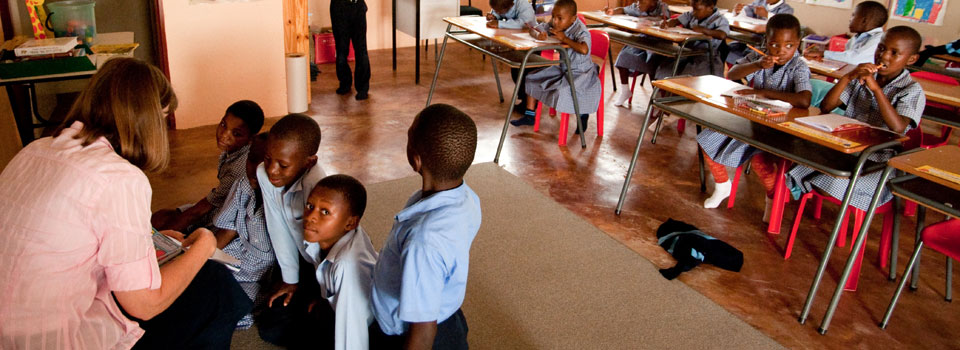
Initially funds will be generated through African Leadership Partners and other available sources for the development of the homes and the living expenses of each family, including schooling costs.
In response to the current HIV/AIDS crisis in the country of Swaziland, we will make a significant and sustainable contribution to the lives of the most vulnerable children, orphaned or abandoned, and without alternatives for care.